
Boccia is a game of strategy and accuracy with similarities to both bowls and pétanque. Originally developed for people with coordination impairments, the sport now includes athletes with various eligible impairments.
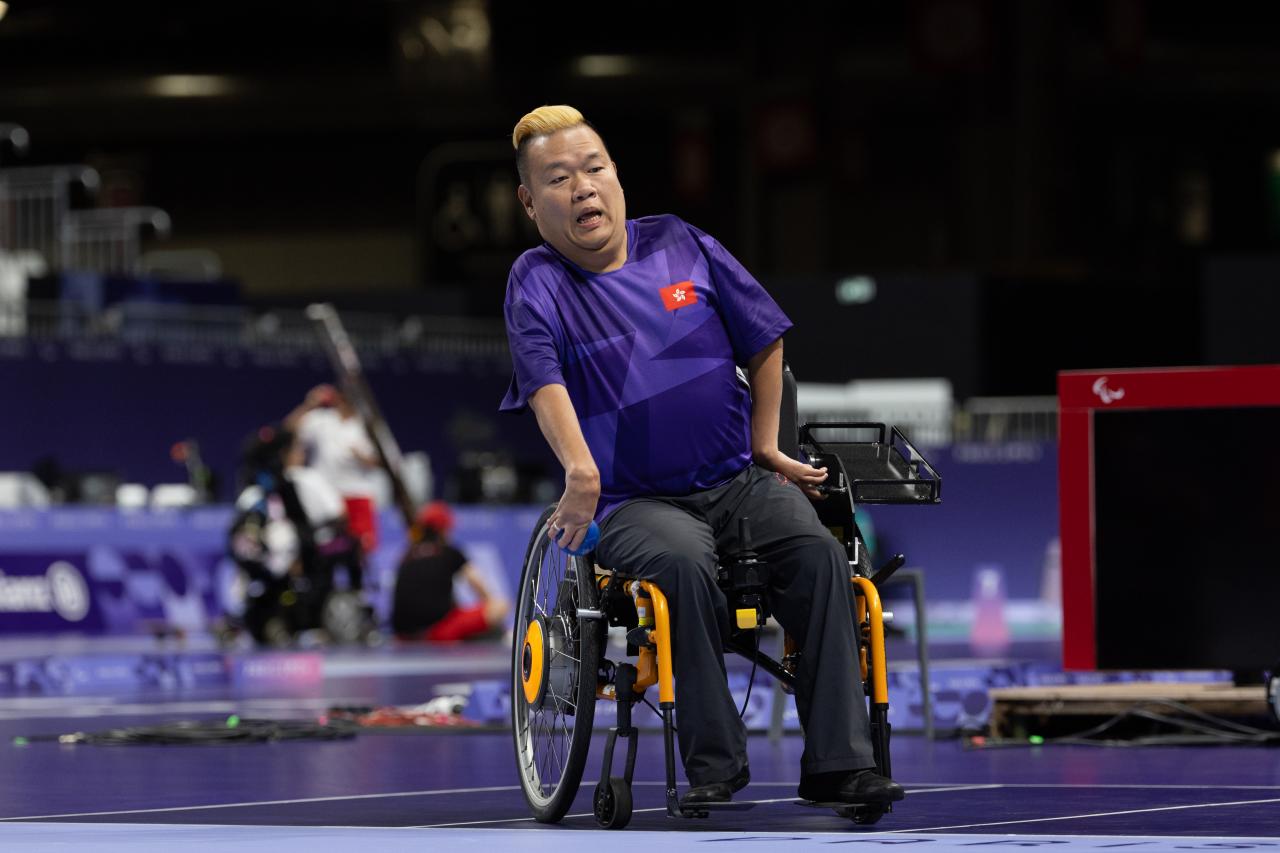
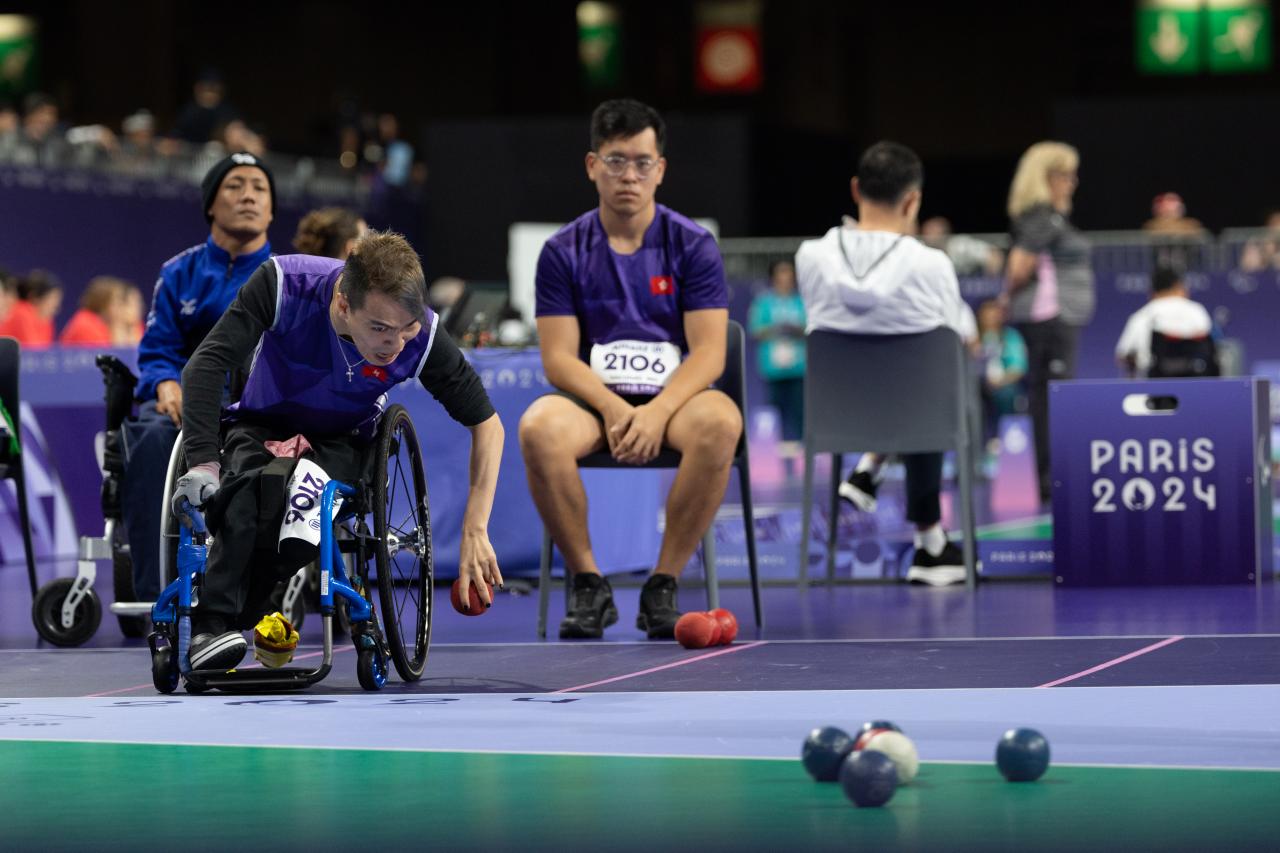
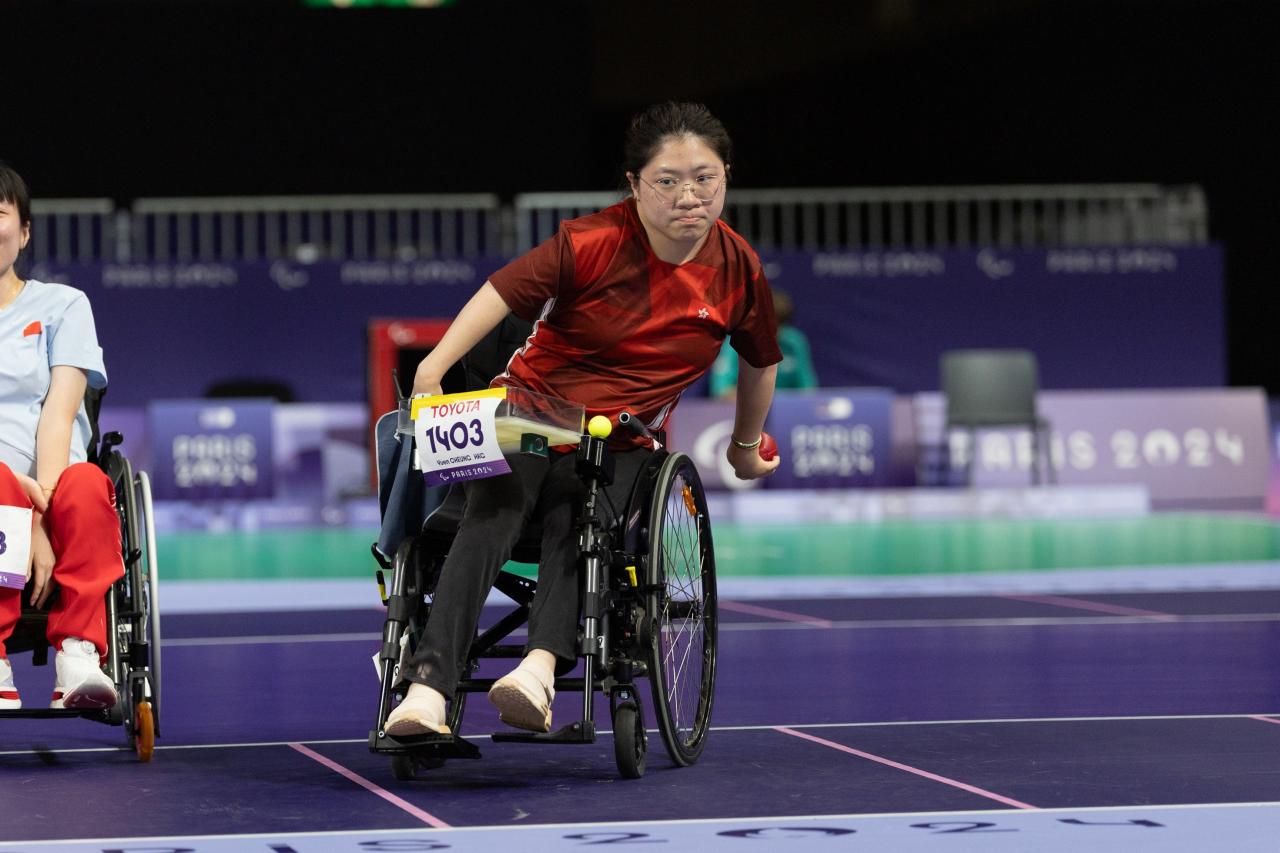
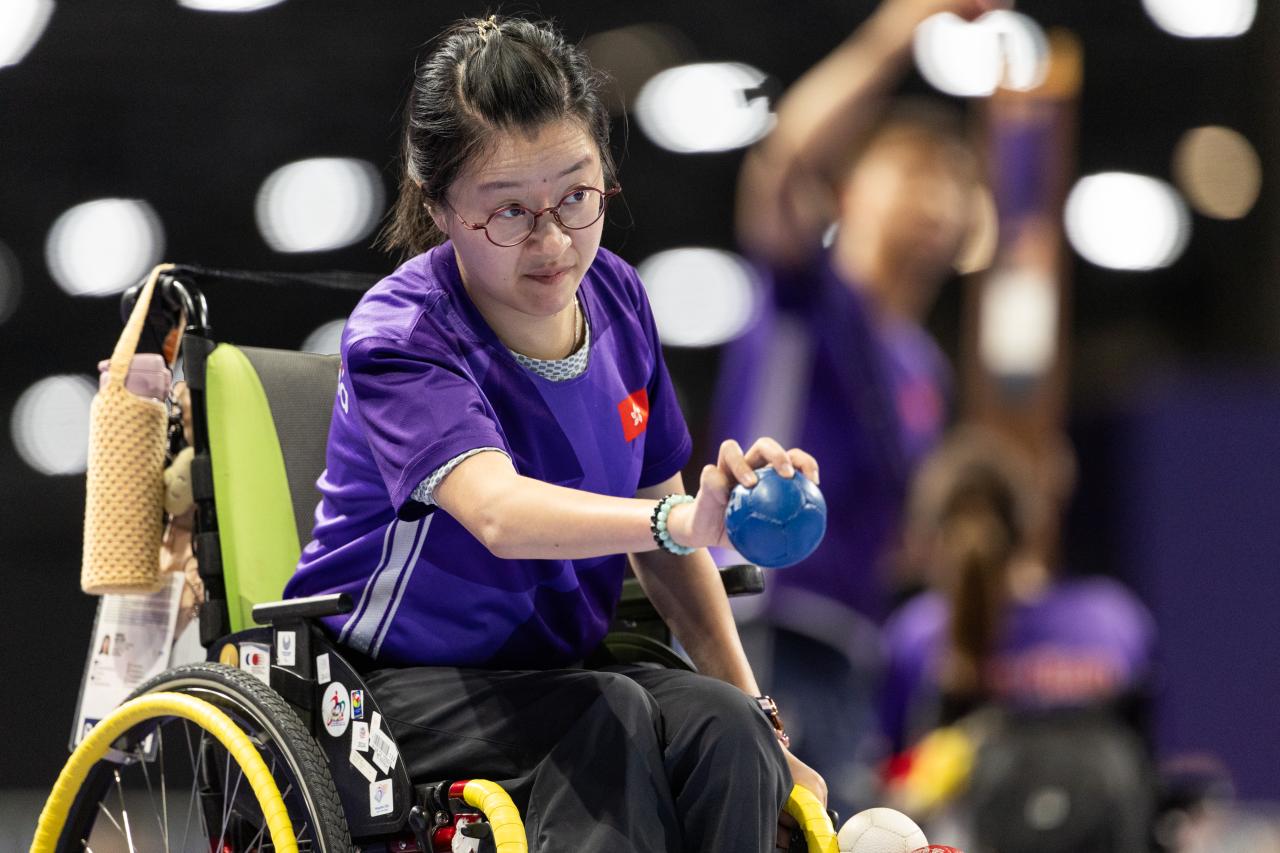
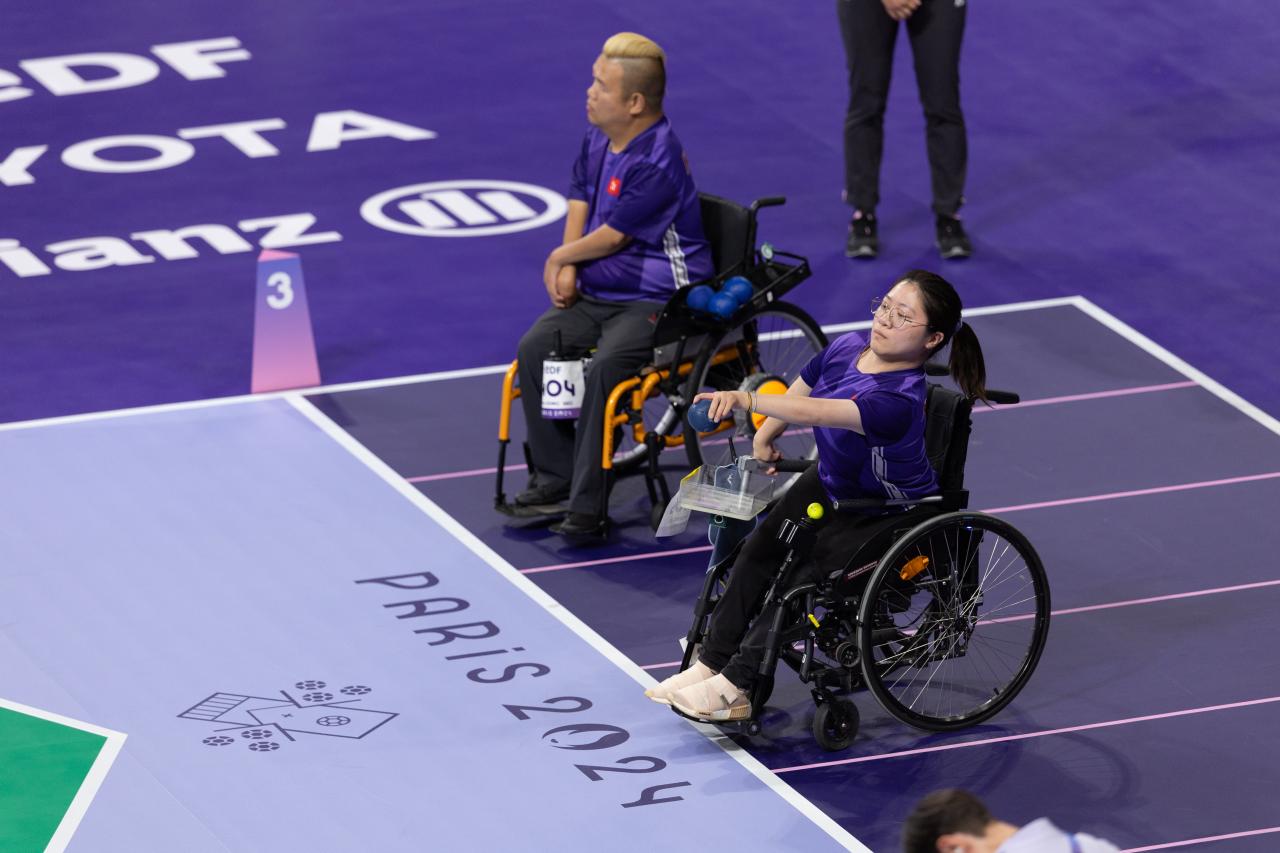
The sport is played on a flat, smooth surface, where players compete against each other as individuals, pairs, or teams of three. Each side must throw or roll a total of six coloured balls as close as possible to a white target ball, known as the jack. A coin flip determines which side plays the jack on the court and the first ball.
To win, players must get the most balls closest to the jack, the white ball. The team furthest from the jack keeps throwing until they get their ball closest or run out of balls. Boccia requires pinpoint accuracy and strategy, and players can knock any ball to gain advantage. The individual and pair matches consist of four ends, while team matches have six ends. After each end, the athlete, pair or team with the ball closest to the jack receive one point, and an additional point for every ball that is closer to the jack than their opponents.
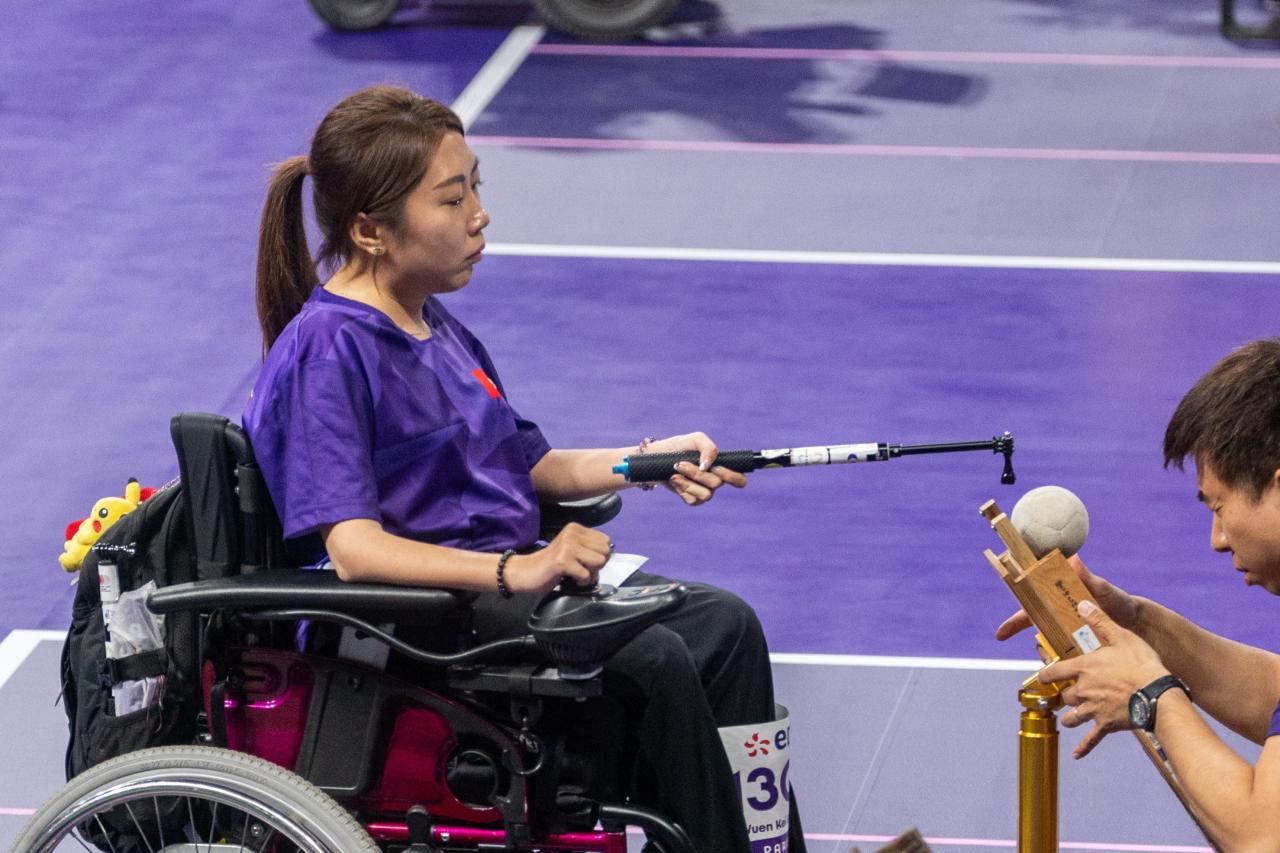
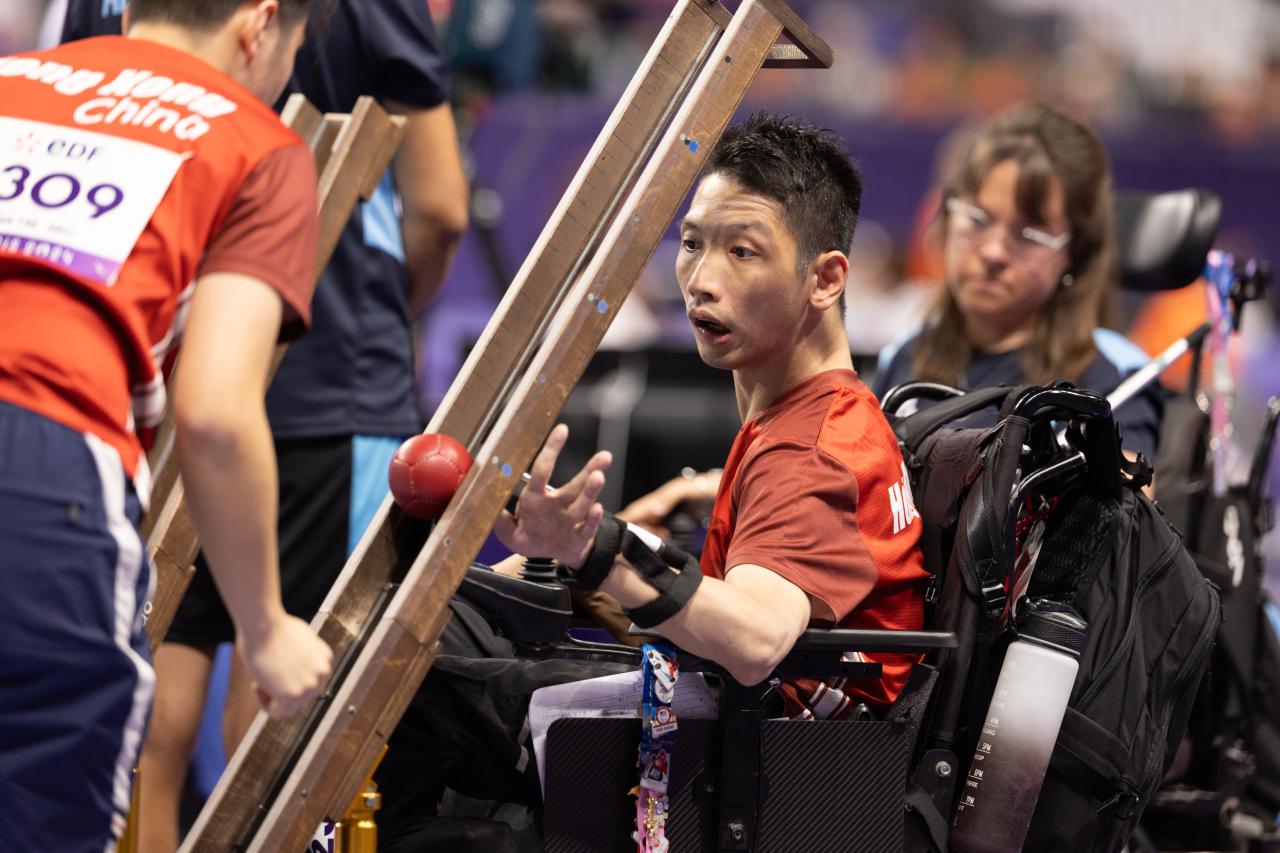
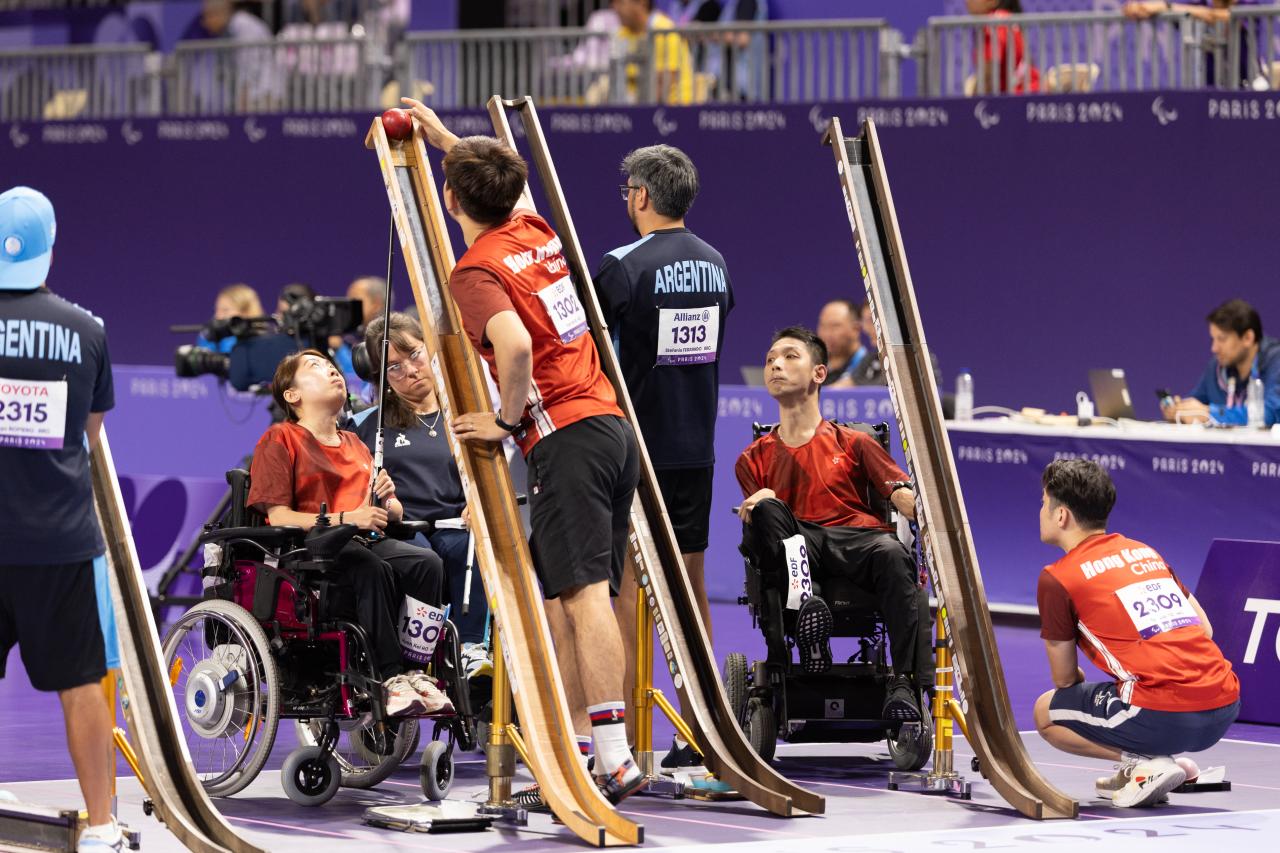
Athletes compete in wheelchairs within four classes depending on the impact of their impairments on their ability to perform. BC1 athletes have an assistant to manoeuvre the wheelchair and play the ball with their hands or feet. BC2 can throw without assistance. In BC3, players use a ramp, a pointer, and get support from ramp operators, who also receives a medal if players win. In BC4 athletes have impairments affecting all limbs and trunk but don’t have a coordination impairment.
World Boccia is the sport’s governing body.
Sports Association for the Physically Disabled of Hong Kong, China is the member of World Boccia in Hong Kong, China and also the organisation for elite development of Boccia in Hong Kong, China.
Source of information credit: International Paralympic Committee